Rip Curl
Rip Curl began in March/April 1969 with very humble beginnings. Started by two friends in Torquay, Australia, Doug “Claw” Warbrick and Brian “Sing Ding” Singer, quit their jobs and decided to join forces and start shaping surfboards in Brian’s garage. After building a solid supply of support over the next few months, Rip Curl quickly outgrew Brian’s garage and moved into the ‘Old Torquay Bakery’, where they could then set up a legitimate shaping bay, glassing and sanding rooms, thereby tripling board production. By December 1969, Alan Green joined the ranks and began to make high-quality wetsuits alongside the board production. From there on out, Rip Curl grew and grew, gradually becoming one of the leading forces in wetsuit production, placing itself at the forefront of modern wetsuit technology, with features such as their ultimate stretch neoprene and zip-free entry constructions. Not only that, their clothing range combines high-quality construction with competitive pricing, similar to everything else they produce.
Showing 1–12 of 51 resultsSorted by latest
-
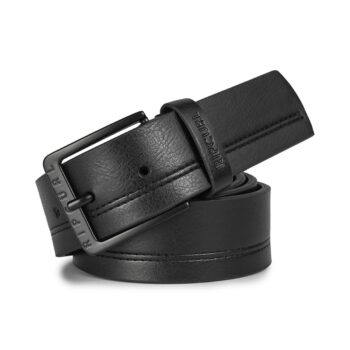
Rip Curl Double Stitch PU Belt – Black
£29.99 View This product has multiple variants. The options may be chosen on the product page -
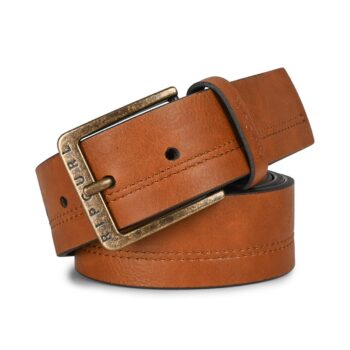
Rip Curl Double Stitch PU Belt – Brown
£29.99 View This product has multiple variants. The options may be chosen on the product page -
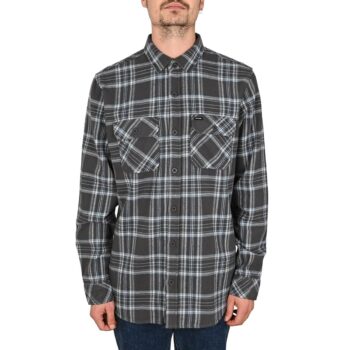
Rip Curl Griffin Flannel L/S Shirt – Washed Black
£64.99 View This product has multiple variants. The options may be chosen on the product page -
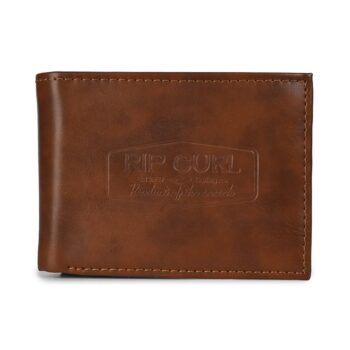
Rip Curl Classic Surf PU Wallet – Tan
£24.99 Add to cart -
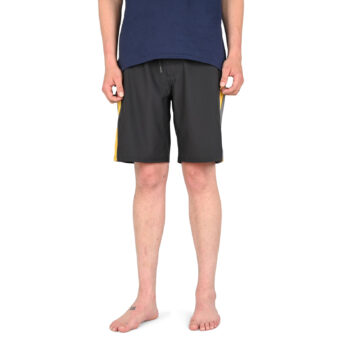
Rip Curl Mirage Archive 20″ Boardshorts – Royal Yellow
Original price was: £74.99.£44.99Current price is: £44.99. View This product has multiple variants. The options may be chosen on the product page -
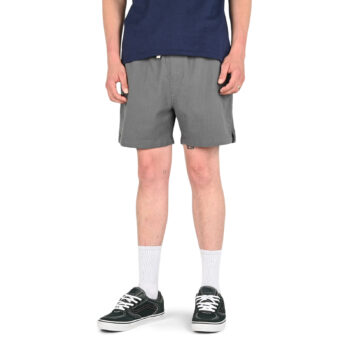
Rip Curl Pacific Rinse Rico Valley Short – Moss Grey
Original price was: £59.99.£34.99Current price is: £34.99. View This product has multiple variants. The options may be chosen on the product page -
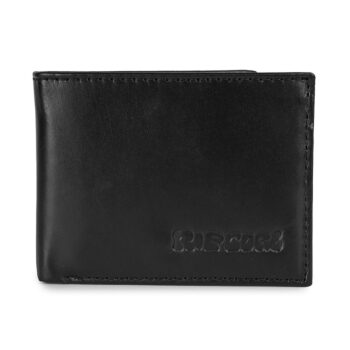
Rip Curl Pacific Rinse RFID Leather Wallet – Black
Original price was: £39.99.£29.99Current price is: £29.99. Add to cart -
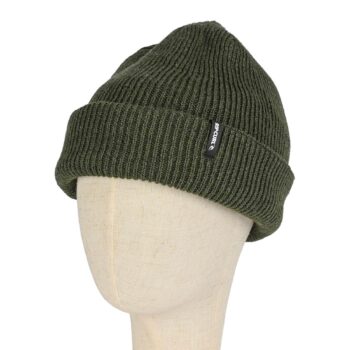
Rip Curl Anti-Series Alpine Beanie Hat – Deep Cactus
Original price was: £34.99.£19.99Current price is: £19.99. Add to cart -
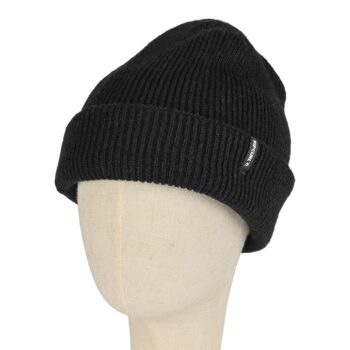
Rip Curl Anti-Series Alpine Beanie Hat – Black
Original price was: £34.99.£19.99Current price is: £19.99. Add to cart -
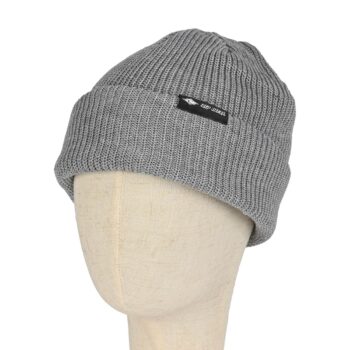
Rip Curl Classic Surf Reg Beanie Hat – Grey Heather
Original price was: £19.99.£9.99Current price is: £9.99. Add to cart -
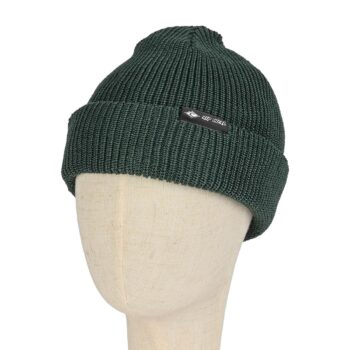
Rip Curl Classic Surf Reg Beanie Hat – Green
Original price was: £19.99.£9.99Current price is: £9.99. Add to cart -
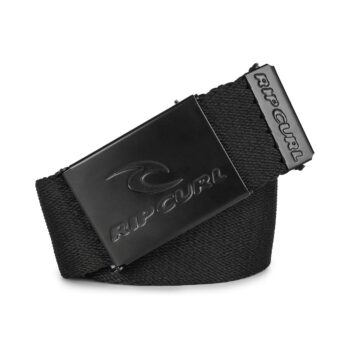
Rip Curl Rando Webbing Belt – Black
Original price was: £24.99.£21.99Current price is: £21.99. Add to cart
